All Categories
Featured
Why Local Households Benefit from Credit Counseling
Discovering Competitive Combination Rates in San Antonio ...


How Typical Misunderstandings Surrounding Preparing for Life One Year After Bankruptcy: A Counselor-Approved Checklist can Save You Time, Stress, and Money.
Table of Contents
That frees up money in the short-term, and you might have 3 to four years to save toward the settlement quantity. Really harmful to credit report, mainly because of missed payments and an adverse "resolved" mark that could remain on your credit record for as much as seven yearsMay be just choice if various other alternatives (financial obligation loan consolidation, balance transfer credit history cards, financial obligation forgiveness) aren't possibleTypically calls for a fee to the third celebration, which could counter some or all of the savings from debt settlementMay aid you avoid insolvency if you have actually missed out on numerous paymentsNot all financial institutions work with financial obligation settlement firms Debt forgiveness may be appropriate for you if you are experiencing a monetary hardship that makes it virtually difficult to pay down your debt equilibriums.

With a DMP, you make one monthly repayment to the credit history counseling firm. Those funds are after that dispersed to financial institutions of your unsafe debts, such as credit report cards and installment fundings. The company functions with your creditors to minimize rate of interest or waive fees, yet some financial institutions may reject such concessions.
It can help you pay down financial debt if you're able to safeguard a financing rate that's lower than the average rate of the accounts you're consolidating. You have to refrain from racking up financial debt on those freshly removed accounts or your debt can grow also higher.
These cards typically supply a 0% interest initial period of approximately 21 months. That provides you a lot of time to eliminate or substantially lower your balance while making interest-free settlements. For some individuals facing insurmountable financial obligation, bankruptcy might be the only means to quit collection proceedings and legitimately settle their debts.
Not known Facts About National Resources for Financial Assistance
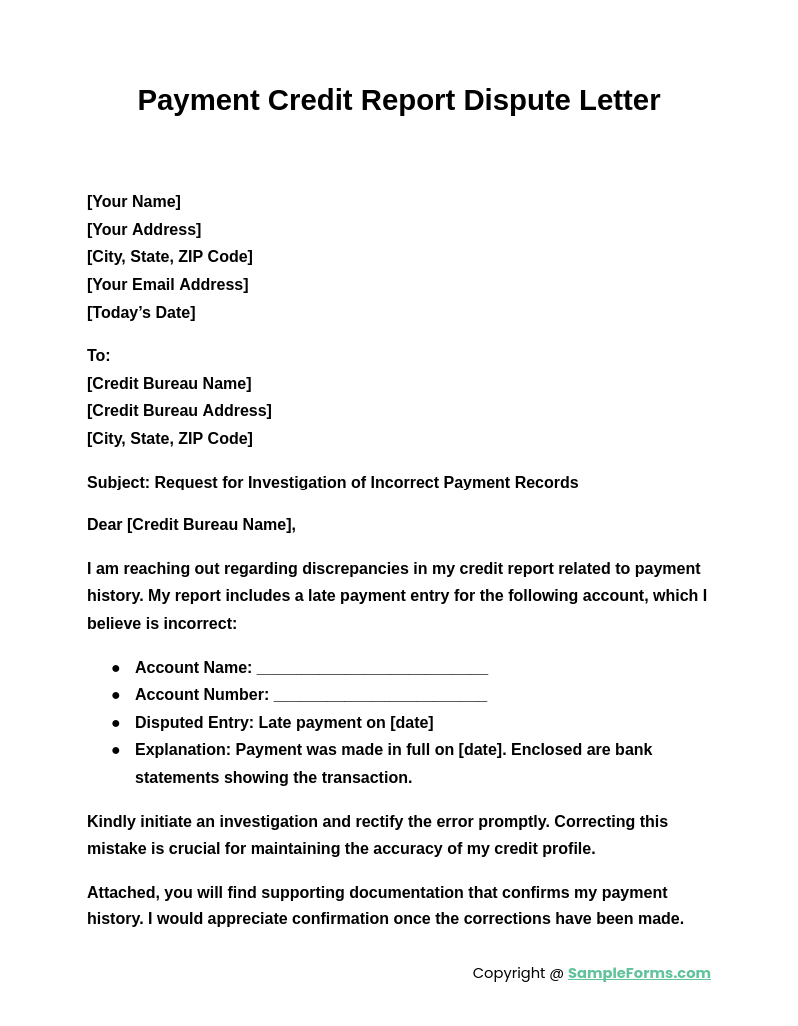
You may require it if your financial institution or a debt collector ever tries to collect on the financial obligation in the future. The letter might prove you don't owe what the debt collector's records reveal. Yes, in the majority of instances, the IRS considers forgiven financial debt as taxed income. When a lending institution forgives $600 or even more, they are called for to send you Kind 1099-C.
Financial debt mercy or settlement usually harms your credit. Anytime you resolve a debt for less than you owe, it might show up as "settled" on your credit rating record and impact your credit history for seven years from the date of settlement. Your credit score can likewise go down significantly in the months leading to the forgiveness if you fall back on settlements.
The Best Strategy To Use For Being Cautious from Bankruptcy Counseling Predatory Practices
Tax obligation financial debt concession programs Tax obligation debt takes place when the amount of taxes you owe exceeds what you have actually paid. This scenario typically arises from underreporting earnings, not filing returns promptly, or inconsistencies located throughout an IRS audit. The repercussions of gathering tax obligation financial debt are serious and can include tax liens, which give the internal revenue service a legal insurance claim to your home as safety for the debt.
Greater rates of interest on readily available credit score. Salaries and Bank Accounts internal revenue service can impose (seize) salaries and checking account to satisfy the debt. Lowered revenue and disruption of essential monetary procedures. Residential or commercial property Seizure In severe situations, the internal revenue service can confiscate and sell building to cover the debt. Loss of beneficial properties and possible displacement.
Anxiety, stress and anxiety, and other mental wellness problems. Social Stigma Dealing with lawsuit from the internal revenue service can bring social preconception. Damage to reputation and partnerships. Work Opportunities A poor credit history rating because of tire financial debt can restrict employment possibility. Trouble searching for or keeping a job. Federal government Advantages Tax obligation debt may impact eligibility for government benefits, such as Social Safety and Medicaid.
About Credentials Requirements in the Industry
The OIC considers several factors, consisting of the taxpayer's income, costs, asset equity, and ability to pay. Effectively working out an OIC can be intricate, calling for a comprehensive understanding of the IRS's guidelines and a solid disagreement for why your offer lines up with your ability to pay. It's essential to note that not all applications are approved, and the procedure requires detailed financial disclosure.
The internal revenue service analyzes your general financial scenario, including your revenue, expenses, asset equity, and capacity to pay. You must additionally be current with all declaring and repayment demands and not remain in an open personal bankruptcy case. The IRS also considers your compliance history, evaluating whether you have a record of prompt declaring and paying tax obligations in previous years.
The Basic Principles Of The Benefits and Cons of Preparing for Life One Year After Bankruptcy: A Counselor-Approved Checklist
The application process for an Offer in Concession includes several in-depth steps. You must finish and send Internal revenue service Kind 656, the Deal in Compromise application, and Kind 433-A (OIC), a collection information statement for individuals. These types call for extensive monetary information, including details about your income, debts, costs, and assets.
Back taxes, which are unpaid taxes from previous years, can significantly boost your overall internal revenue service financial obligation otherwise dealt with promptly. This debt can build up rate of interest and late settlement penalties, making the original quantity owed a lot bigger over time. Failing to repay tax obligations can result in the IRS taking enforcement actions, such as releasing a tax lien or levy versus your residential or commercial property.
It is essential to address back tax obligations as quickly as feasible, either by paying the total owed or by arranging a payment plan with the IRS. By taking positive steps, you can prevent the accumulation of additional passion and fines, and protect against much more aggressive collection activities by the IRS.
One usual factor is the belief that the taxpayer can pay the sum total either as a lump sum or through a repayment plan. The IRS also considers the taxpayer's income, expenditures, asset equity, and future earning capacity. If these elements suggest that the taxpayer can afford to pay even more than the used amount, the IRS is most likely to decline the deal.
Some Ideas on The Truth About Financial Fresh Starts for Overwhelmed Consumers You Need To Know
It is essential to supply exact and total details in your application and to speak with a tax professional to improve the chances of approval. Taking care of IRS financial obligation can be complicated and challenging. Tax obligation experts, such as CPAs, tax attorneys, or enlisted representatives, can offer invaluable help. They have the expertise to browse the details of tax obligation regulation and internal revenue service treatments.

Table of Contents
Latest Posts

Why Local Households Benefit from Credit Counseling

Discovering Competitive Combination Rates in San Antonio Debt Consolidation Without Loans Or Bankruptcy
Enduring the Credit Crunch in Your Area
Latest Posts
Why Local Households Benefit from Credit Counseling
Discovering Competitive Combination Rates in San Antonio Debt Consolidation Without Loans Or Bankruptcy
Enduring the Credit Crunch in Your Area